Lake Michigan Park
| now Pere Marquette Park |
| Muskegon, MI |
| Click here to view more images of Muskegon | |||||
|
I'm always looking for more images to add to these pages. Please
contact me if you have something to share.
Thanks! Ron Pesch |
|||||
 |
|||||
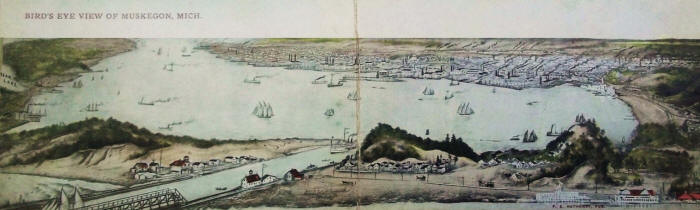
| Muskegon, around 1900. | |||||
 |
|||||
 |
|||||
 |
  |
||||
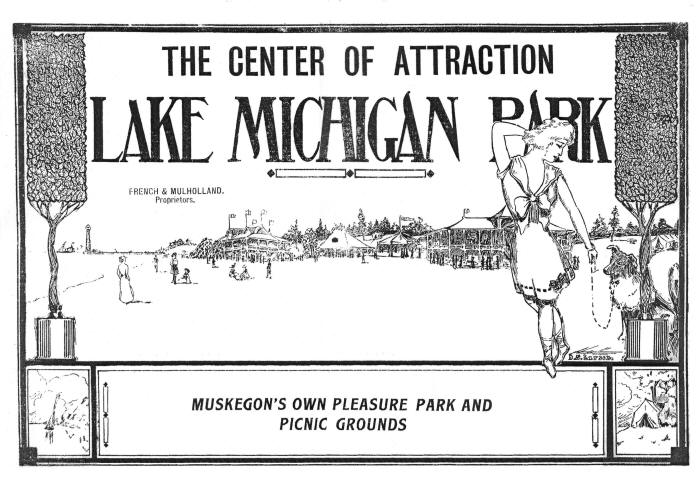
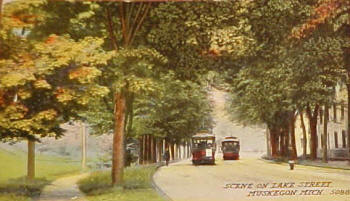
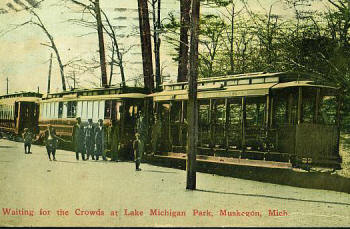
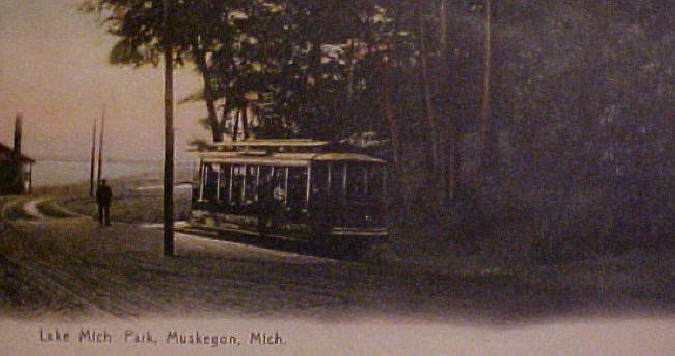
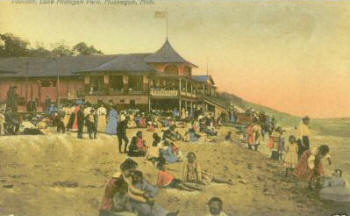
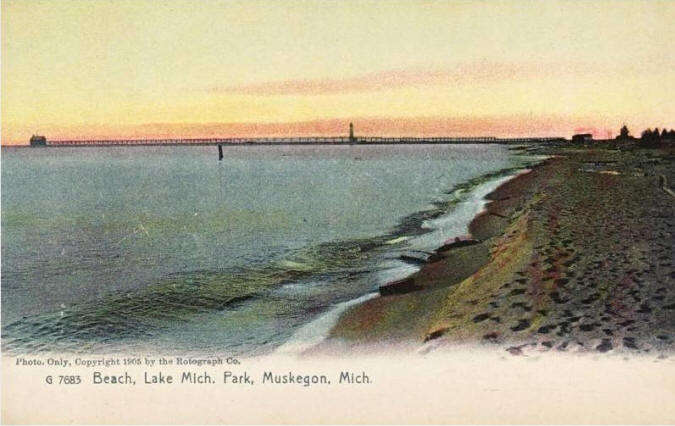
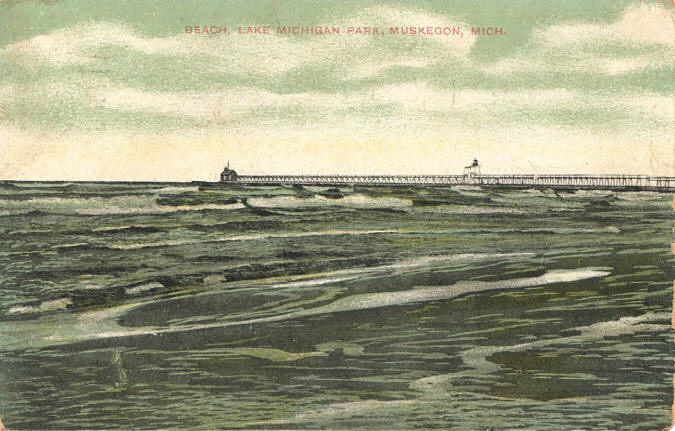
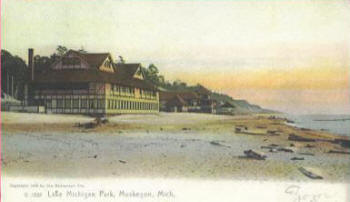
 Lake Michigan Park was a destination
point located on the far western edge of
the city, on the shore of Lake Michigan.
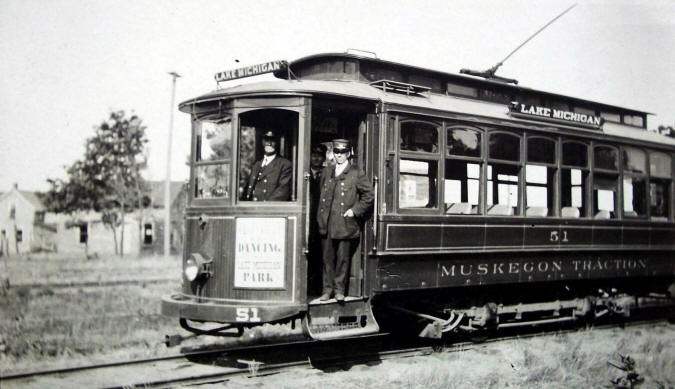
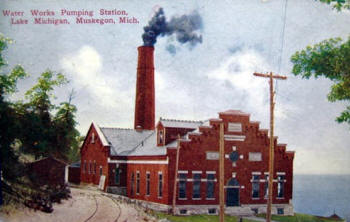
Owned and operated by the
Muskegon Traction and Lighting Company, the operators of
the city's trolley service, it opened in 1890. The first building
on the site was a pavilion. Due to its popularity, it was expanded
in 1892. Lake Michigan Park was a destination
point located on the far western edge of
the city, on the shore of Lake Michigan.
Owned and operated by the
Muskegon Traction and Lighting Company, the operators of
the city's trolley service, it opened in 1890. The first building
on the site was a pavilion. Due to its popularity, it was expanded
in 1892. |
 |
||||
 |
|||||
 |
|||||
 |
|||||
 |
|||||
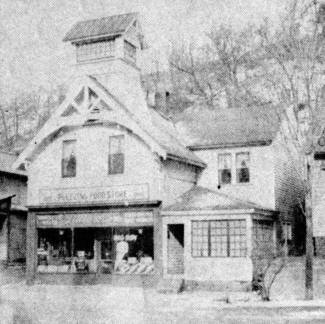
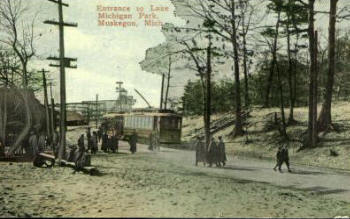
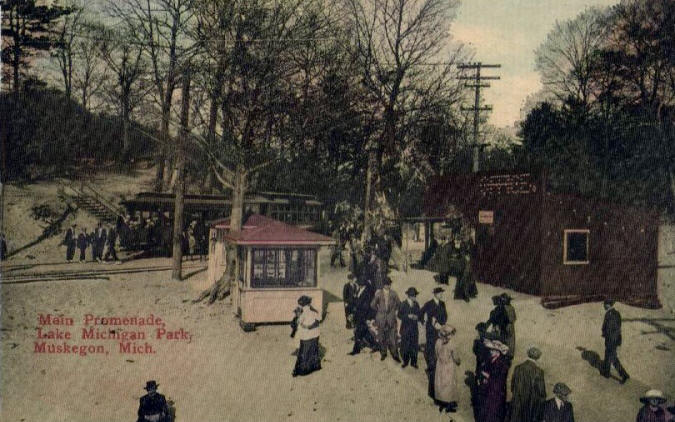
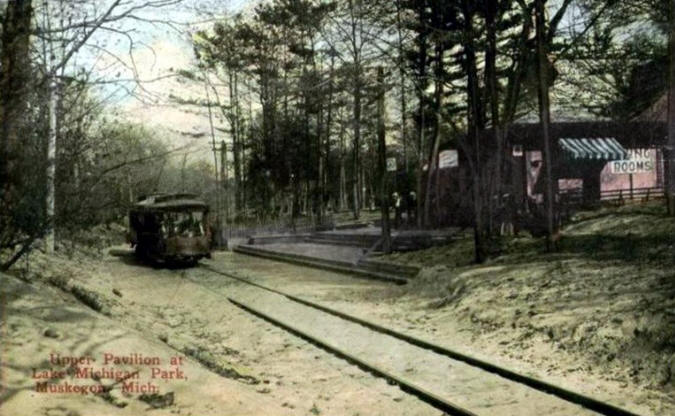
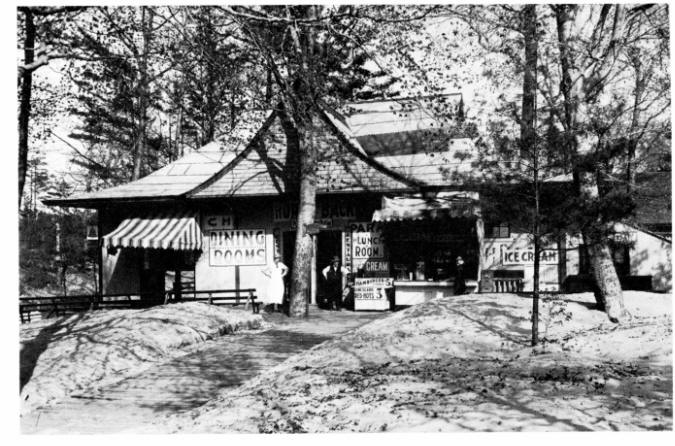
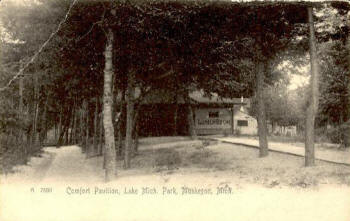
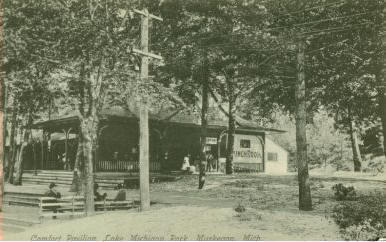
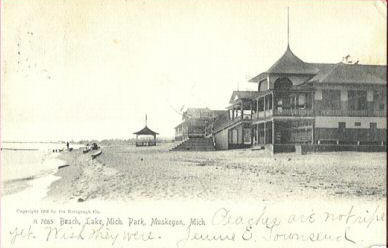
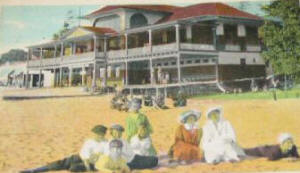
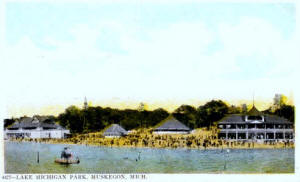
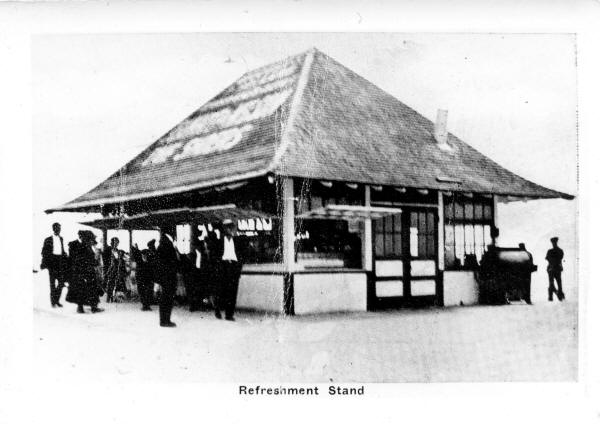
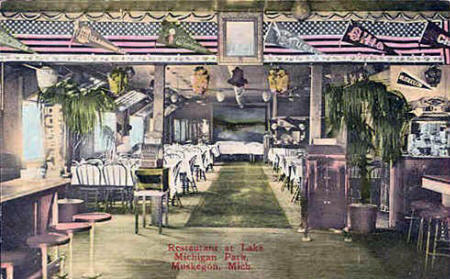 Over time, a number of additional structures were
built. A comfort pavilion, McGowens, offering a lunch counter and picnic area greeted
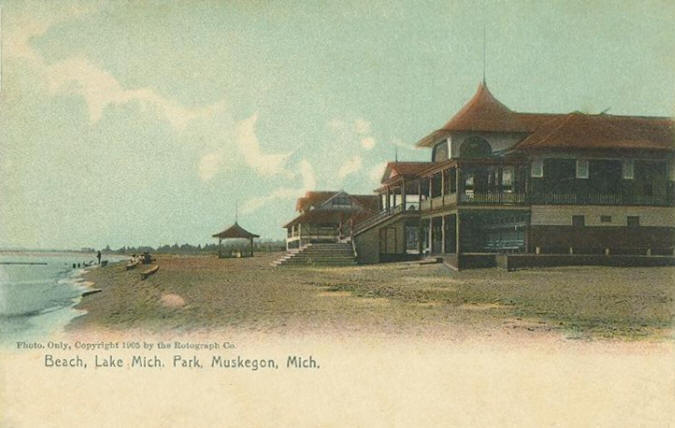
passengers at the entrance to the park. A second pavilion located on the beach
offered a bath house and decking to allow visitors to relax and enjoy
the sights and sounds of the lake. Over time, a number of additional structures were
built. A comfort pavilion, McGowens, offering a lunch counter and picnic area greeted
passengers at the entrance to the park. A second pavilion located on the beach
offered a bath house and decking to allow visitors to relax and enjoy
the sights and sounds of the lake. |
|||||
 |
 |
||||
 |
|||||
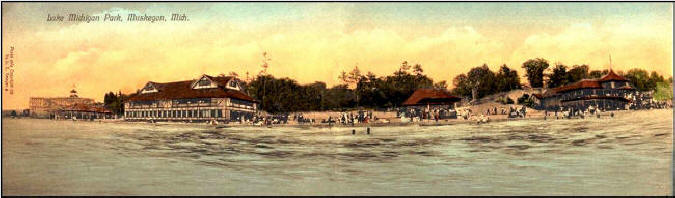
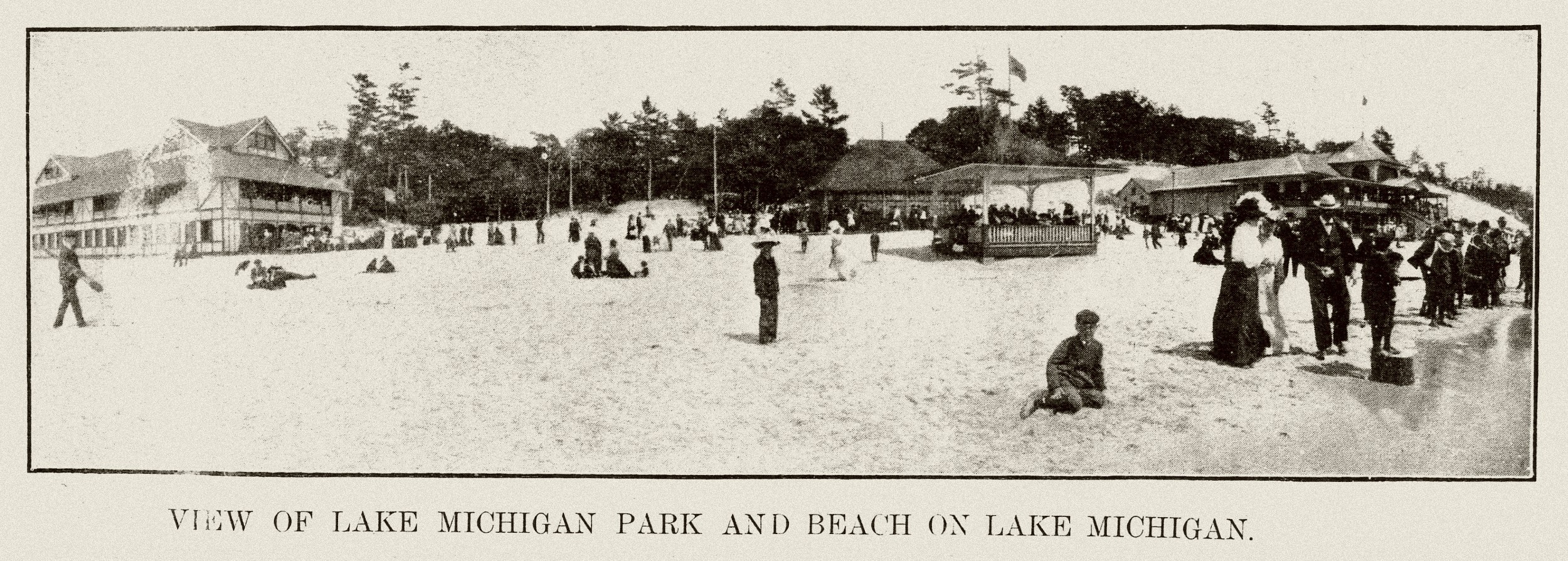
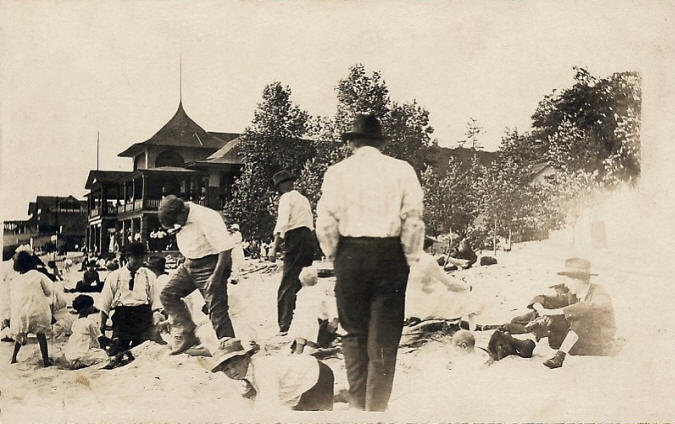
| As the area's popularity grew over the years, a number of other features were added to the park. | |||||
 |
|||||
 |
|||||
 |
|||||
 |
|||||
|
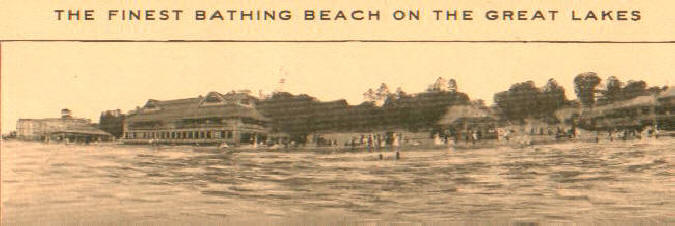
In 1898, a theater,
seating over 600 patrons, was added onto the beach pavilion to
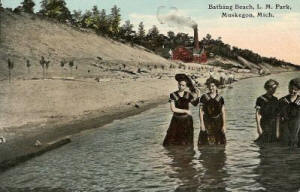
compliment "the finest bathing beach on the Great
Lakes." It was a huge success, attracting top flight
performers and large crowds to the area.
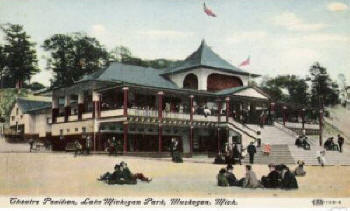
In 1903, a larger theater pavilion, designed to accommodate
an audience of 1,200 on the upper level, was built. A crowd
of over 4,000 celebrated the opening in July. The
building featured a restaurant and bowling alley on the lower level.
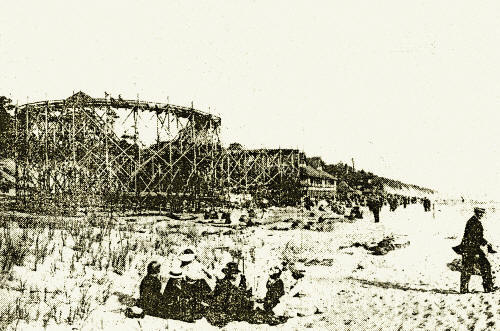
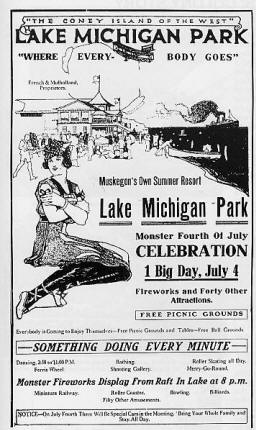
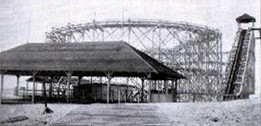
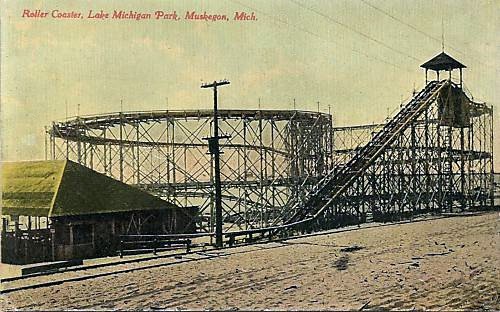
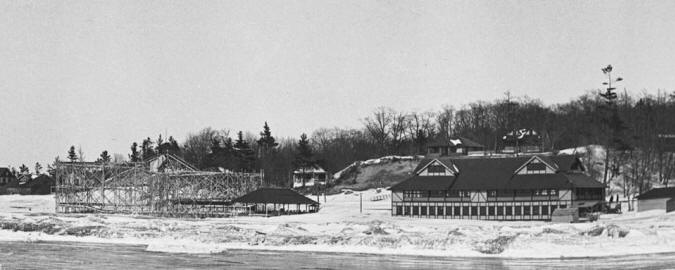
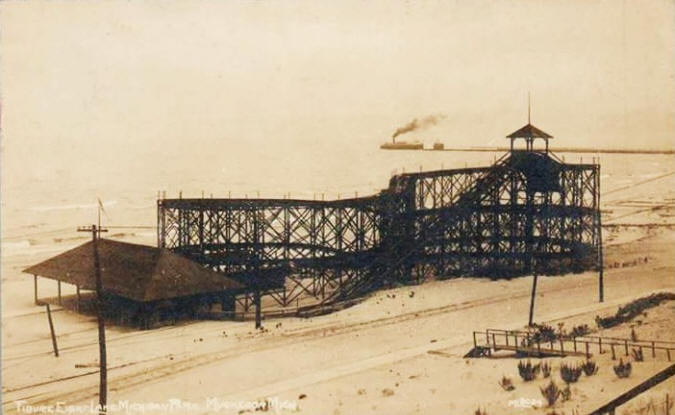
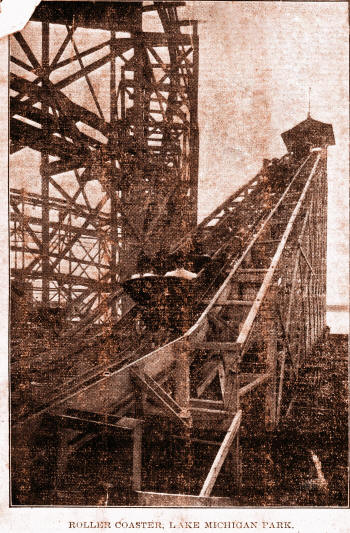
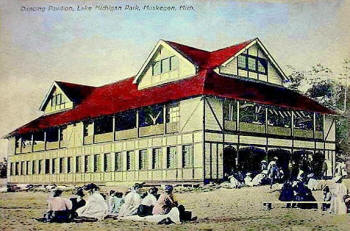
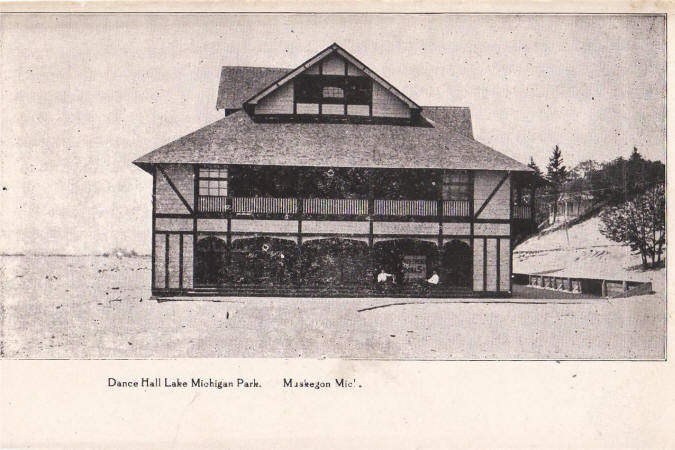
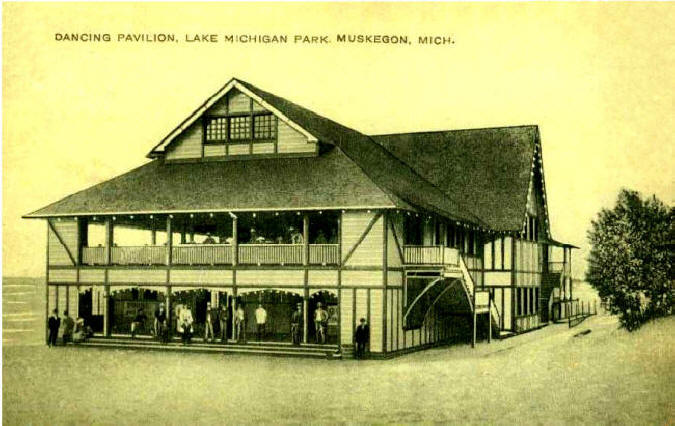
Around 1905, a large Dancing Pavilion was built, followed by a figure-eight roller coaster and other amusements and rides
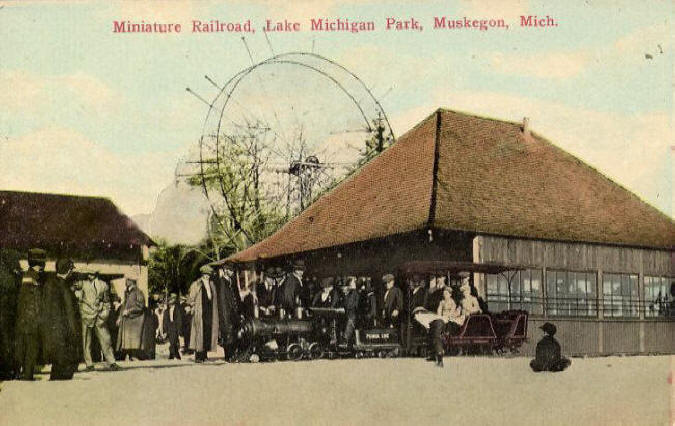
in 1907. In 1913, a 100-foot Ferris wheel was
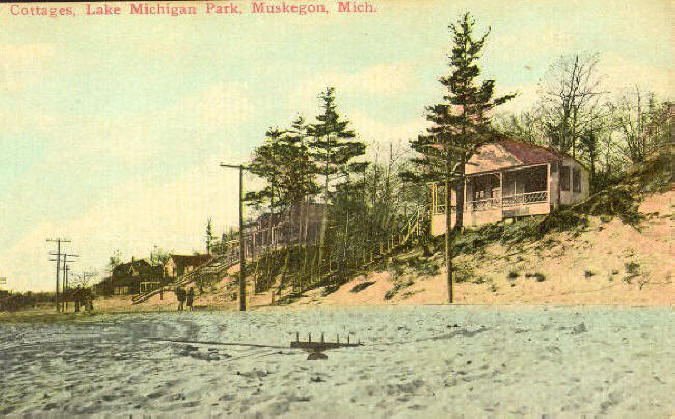
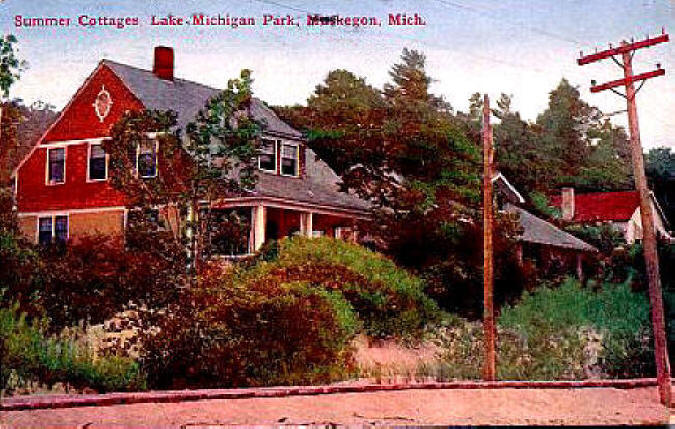
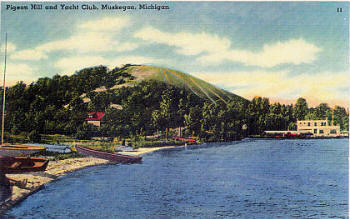
added. Lying in the shadow of a huge sand dune known as Pigeon Hill, the insulated area, featuring cool summer breezes was advertised as both "the Coney Island of the West" and "the Riviera of the Midwest." Summer cottages sprouted up in the surrounding Bluffton, Edgewater and Port Sherman areas. |
 |
||||
 |
|||||
 |
 |
||||
 |
|||||
 |
|||||
 |
|||||
 |
|||||
 |
 |
||||
 |
|||||
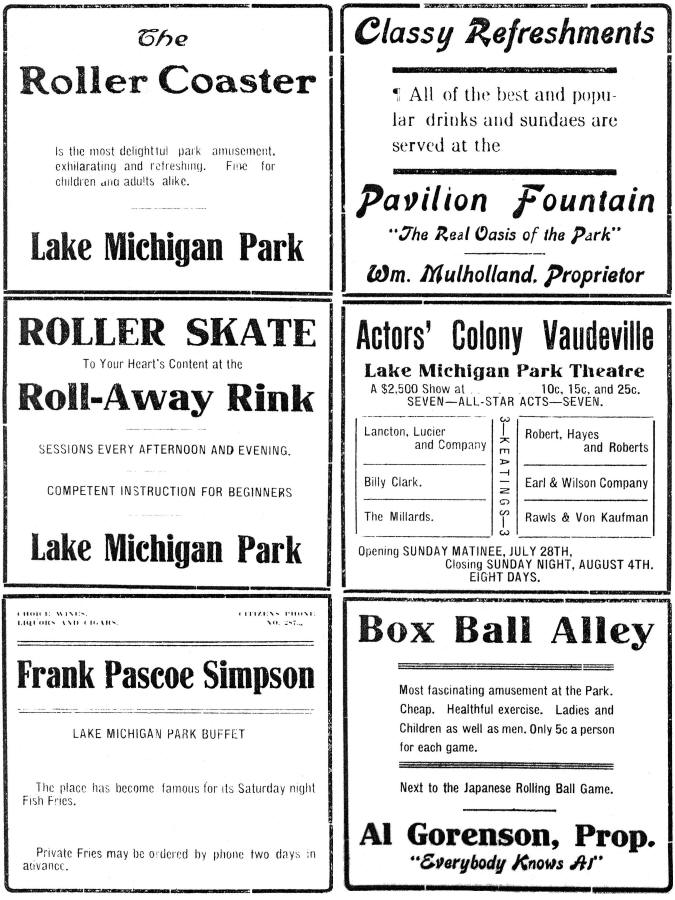
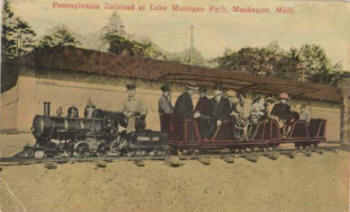
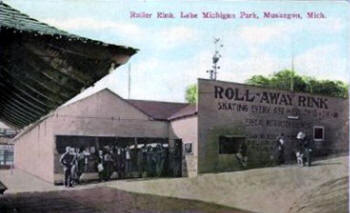
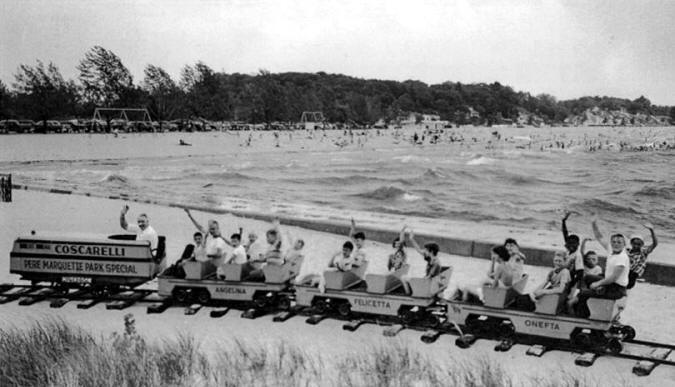
| A figure-eight roller coaster, a Ferris wheel, the Roll-Away Rink skating rink, and a miniature passenger train were among the treats available to visitors at Muskegon's first amusement park. | |||||
 |
|||||
 |
|||||
|
|||||
|
 |
||||
 |
|||||
 |
|||||
 |
|||||
|
 |
||||
|
 |
||||
|
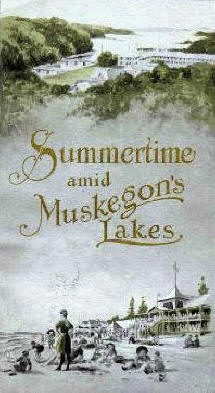
From a 1908 publication of the Muskegon Chamber of Commerce,
highlighting "the advantages of spending the summer season of your
vacation in and around Muskegon." Lake Michigan Park is a natural forest skirting a broad, sandy beach. The majesty of the grand old oaks, murmuring together in the breeze, overshadows the dancing waves laughing in the sunlight and singing as they break upon the sand. As far as the eye can reach, the billows are rolling in and breaking in long lines of foam upon the beach. Out on the blue, the sails of ships and the smoke of steamers mark the path of commerce on Lake Michigan. Lining the beach, and connected by the board walk, are a roller coaster, restaurants, dancing hall, ice cream parlors, candy and fruit stores, oriental bazaar, band stand, theatre, bath pavilion, bowling alleys, curio stores, and other amusement features. At night time, thousands of electric lights transform the Park into a fairyland. |
 |
||||
 |
|||||
 |
|||||
 |
|||||
 |
|||||
 |
|||||
 |
|||||
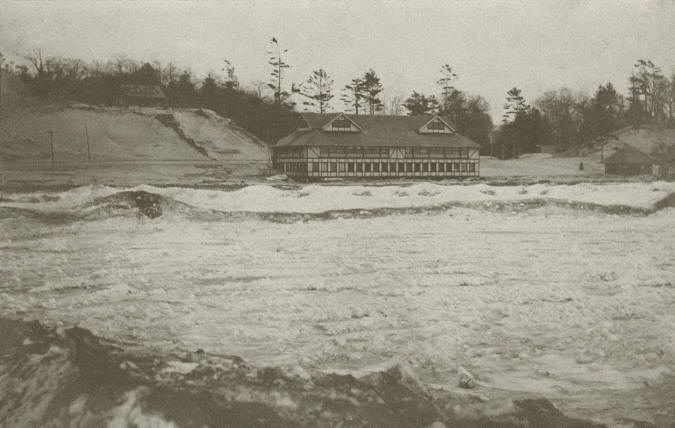
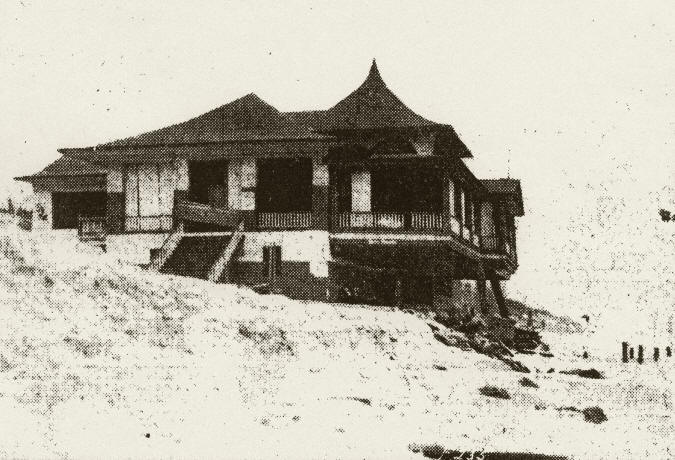
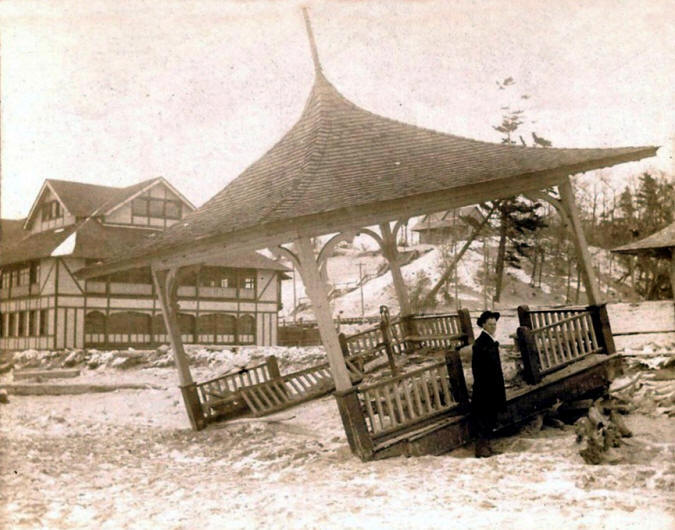
| In 1914, the theater pavilion was badly damaged by lake erosion, and the building was razed after World War I. Built around 1905, winter storms damaged the Dance Pavilion building, and it was removed in the spring of 1930. | |||||
 |
|||||
 |
|||||
| Photo from the Ray Carlson Collection | |||||
 |
|||||
 |
|||||
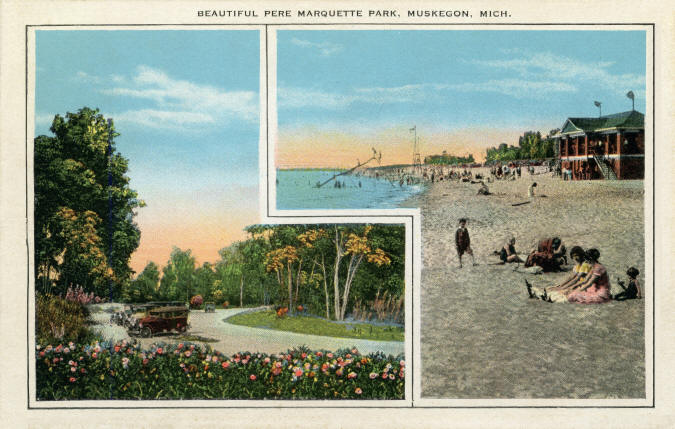
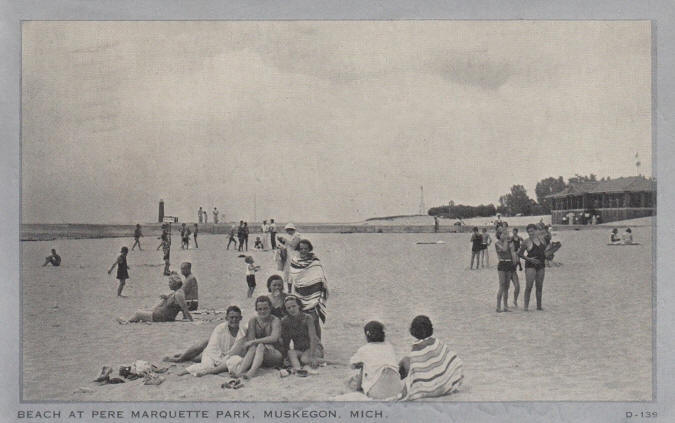
| A beach town on the West Michigan Pike of the Dixie Highway, the water was always an attraction in Muskegon. The largest city on the eastern shore of Lake Michigan, the city numbered 34,000 residents in 1915. |
 |
||||
 |
|||||
|
The changing tastes of Americans would alter the look of the
beach area in the coming years. In 1919,
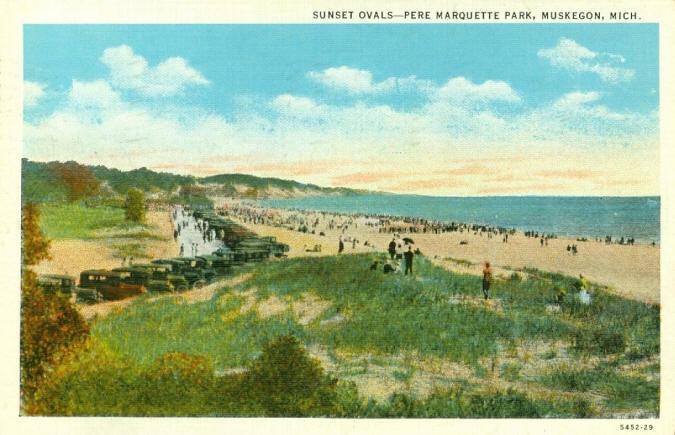
Muskegon witnessed a street car riot, brought on by a fare increase. Ultimately, ownership of the area transferred from Muskegon Lighting and Traction to the Pere Marquette Railroad. In 1926, the first of two "Sunset Ovals" replaced the amusements at the beach. A second was added the following year. |
 |
||||
 |
 |
||||
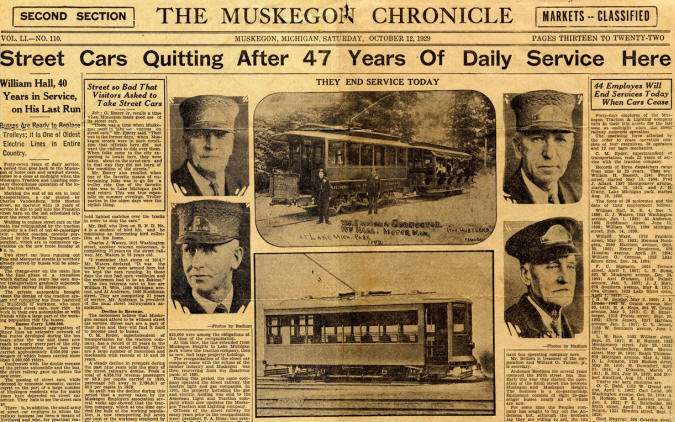
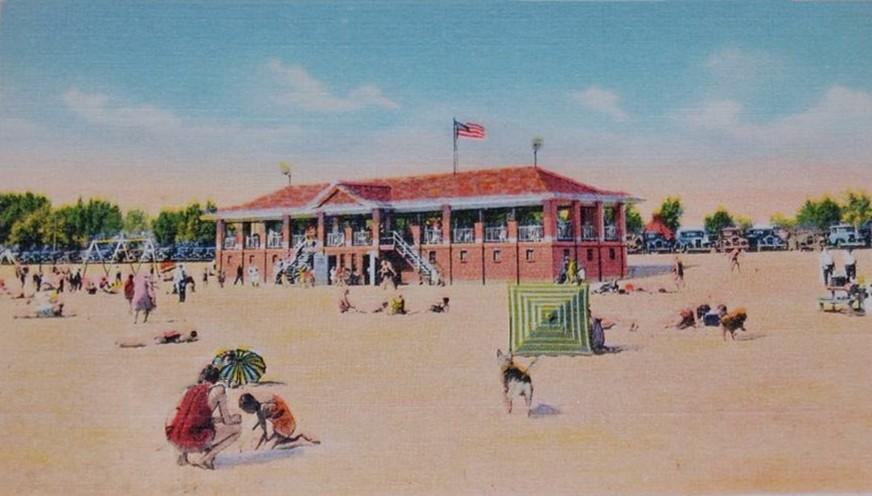
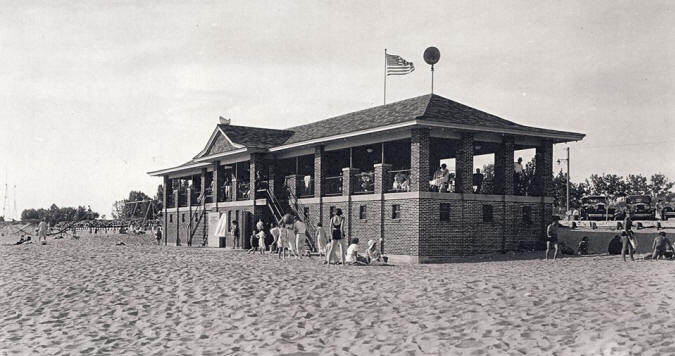
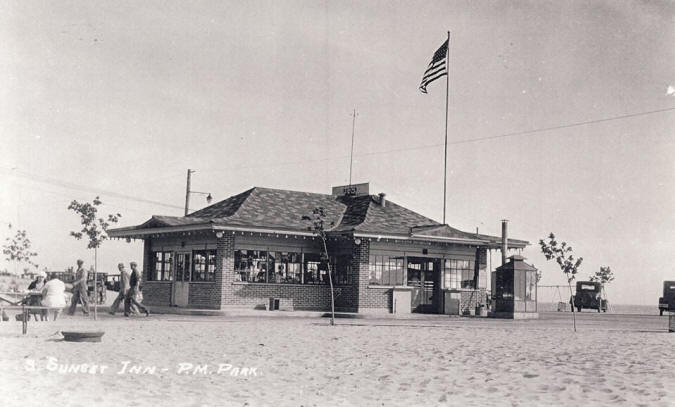
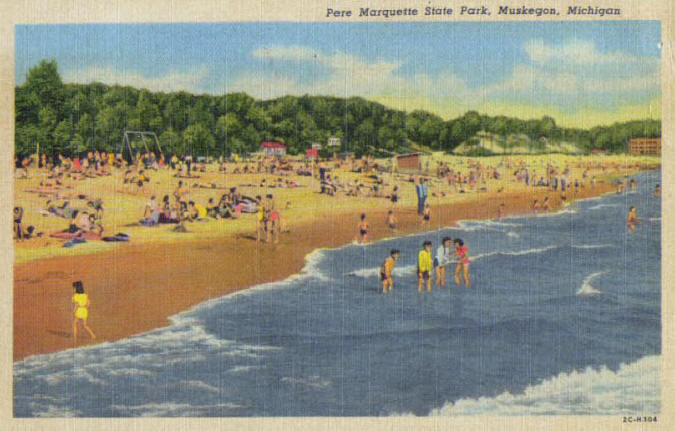
| On August 3, 1927, the railroad granted ownership of the property to the City of Muskegon and construction began on a new breakwater. Jitney buses, which charged a lower fare for a more comfortable ride, and the growing affordability of the automobile ultimately brought an end to streetcar service in 1929. The lease on park buildings expired in early 1930, and the old wooden structures on the property were removed. Soon after, a brick pavilion and bath house was added on the beach. The park was rechristened Pere Marquette Park. | |||||
 |
|||||
| Clipping from the Jack Sander Collection | |||||
 |
 |
||||
 |
|||||
 |
|||||
 |
 |
||||
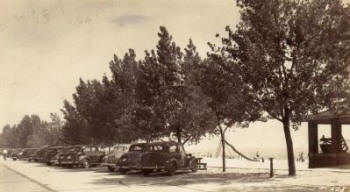
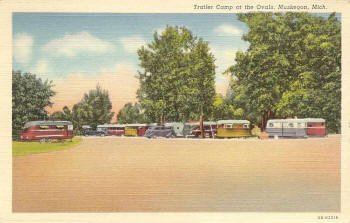
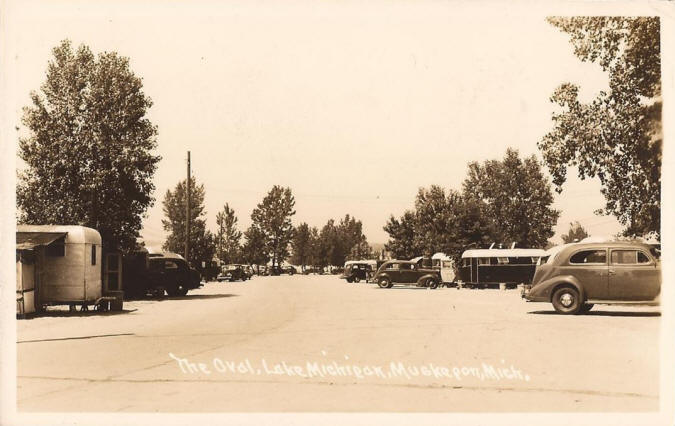
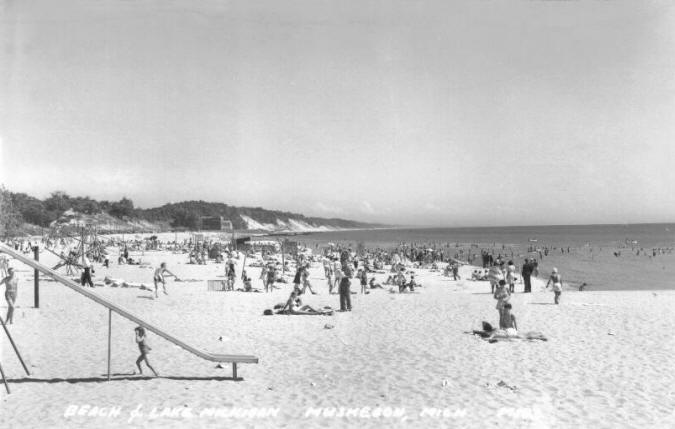
| A view of the beach taken in the 1940s. | A camping area was added to Pere Marquette Park in 1937, and remained a popular attraction until 1951, when it was replaced with picnic grounds today known as Margaret Drake Elliott Park. | ||||
 |
|||||
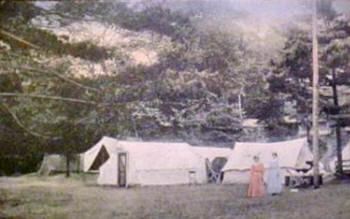
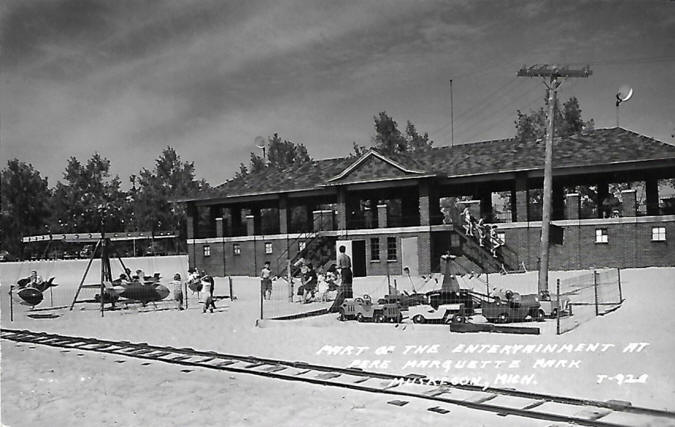
| In 1937, a
camping area near the channel that connected Muskegon Lake to Lake Michigan
was added to the park, and became a popular feature. In 1938, railroad
tracks that had led to the beach were removed, and construction of a
lakeshore cut-off was constructed, changing the route used by visitors to access
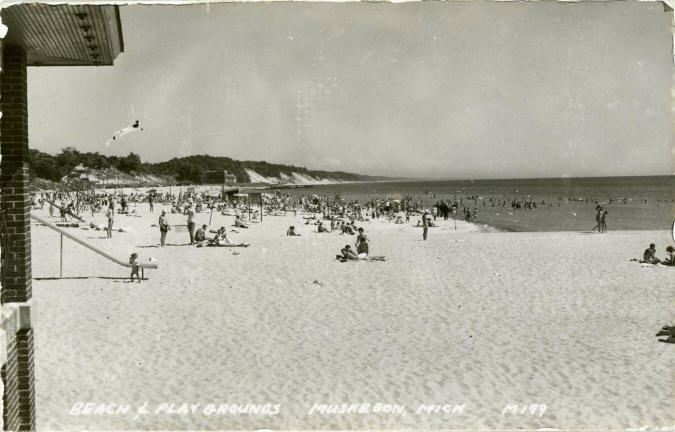
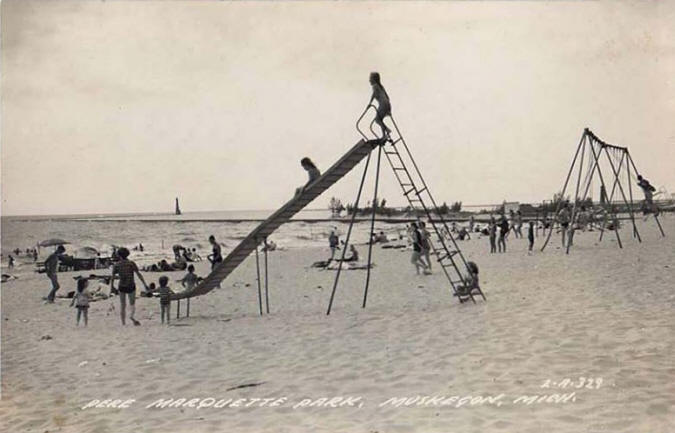
Pere Marquette Park. Playground equipment was added to the beach in the
1940s. Camping at the beach ended in 1951, replaced by public picnic grounds. |
|||||
 |
|||||
 |
|||||
| The North Bath House | |||||
 |
|||||
 |
|||||
 |
|||||
 |
|||||
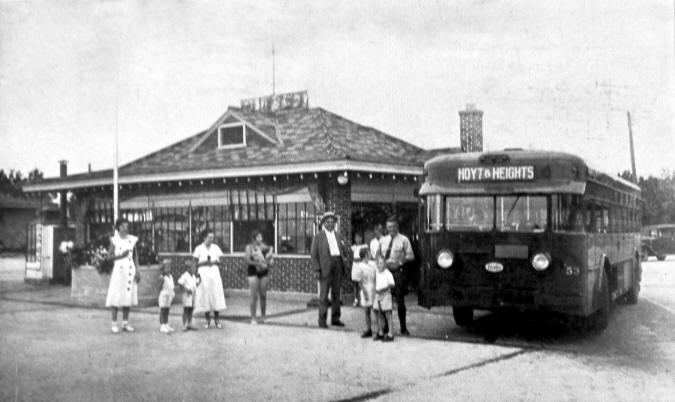
| The Sunset Inn at Pere Marquette Park. | |||||
 |
|||||
 |
|||||
 |
|||||
 |
|||||
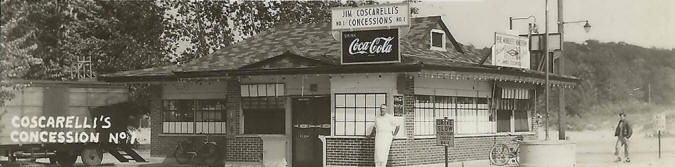
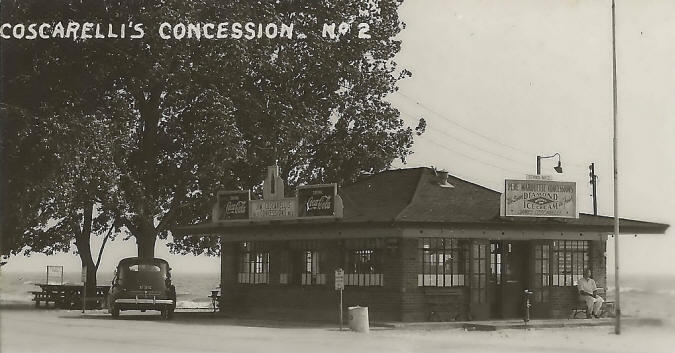
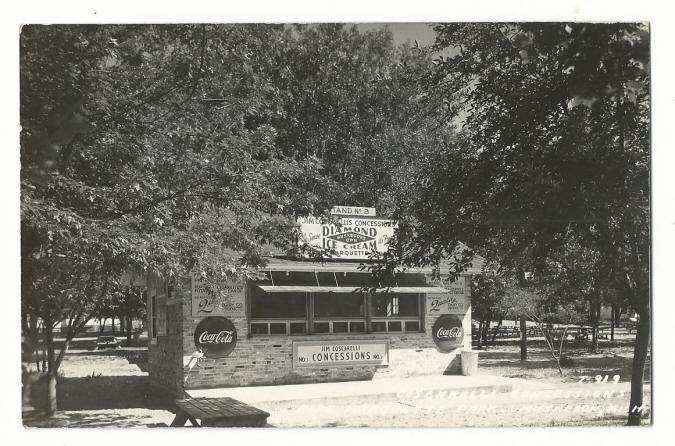
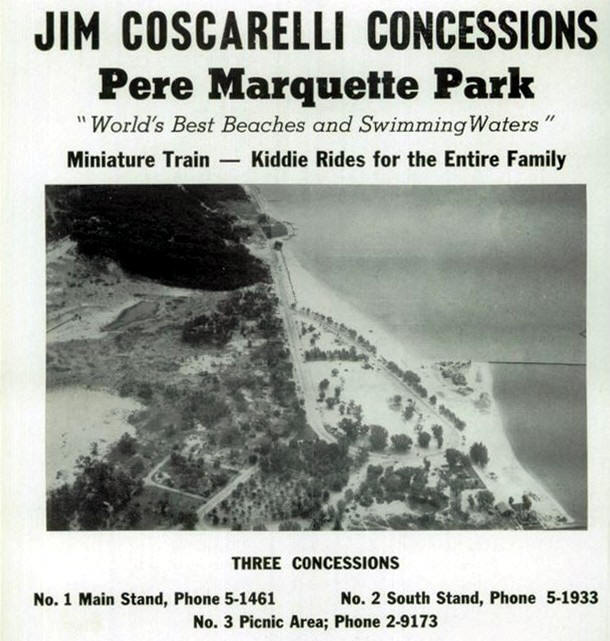
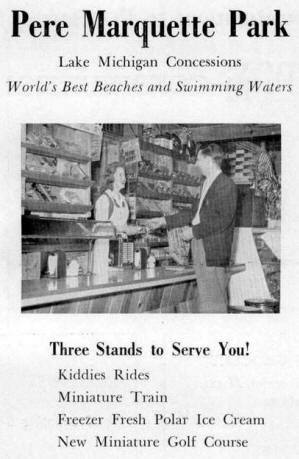
 Jim Coscarelli's Concessions opened at the park in 1948 and remained a popular summer hot spot in the 1950's and 1960s. Born in Bargo Partenope, Italy, Coscarelli's contract with the city ended in 1971. |
 |
||||
 |
|||||
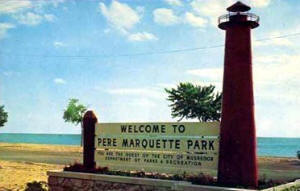
| The Ovals played host to various music events and teen dances in the
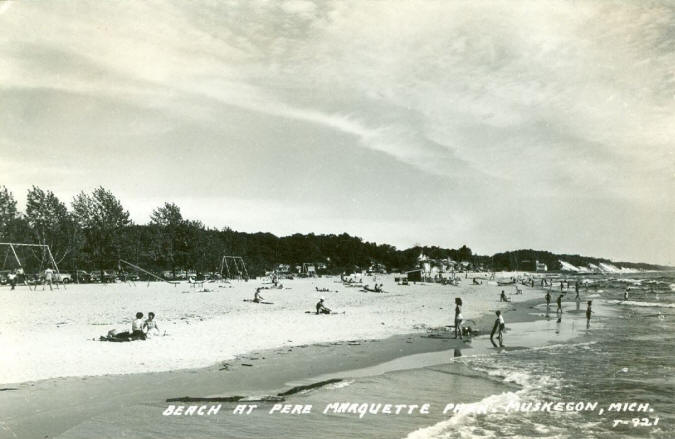
1950s and 60s In 1969, additional beachfront was purchased by the city. Today, Pere Marquette is renown for its acres of open beachfront and stunning sunsets. The northern most end of 2.5 miles of city-owned waterfront, it remains an natural gem, open year-round for use by the public, free of charge. |
|||||
 |
 |
||||
 |
|||||
 |
|||||
 |
|||||
 |
|||||
 |
|||||
 |
|||||
|
|
 |
||||
|
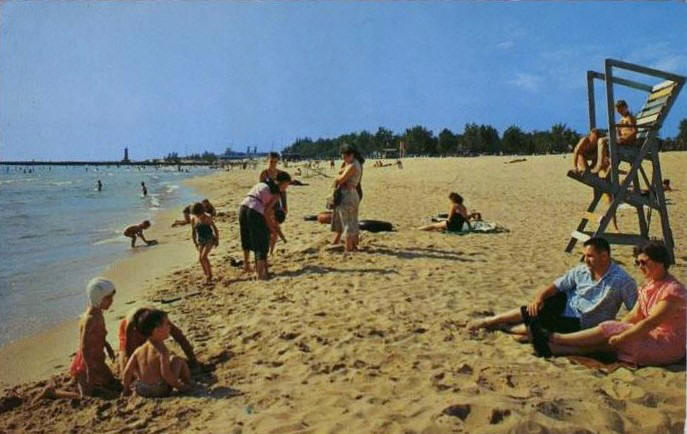
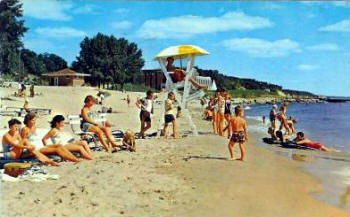
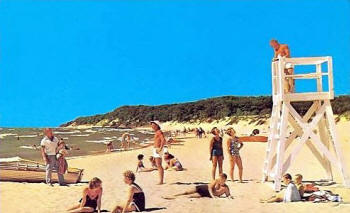
Lifeguards still worked the stands at Pere
Marquette during the 1960s and 1970s. Cruising the Ovals to see
and be seen was still the thing to do for high school and college kids
during a hot summer night or an autumn eve after a football game. Today, the beach remains a popular destination. The acres of sugar sand and the open expanses entice visitors to one of the cleanest beaches in the United States. |
 |
||||
The Channel at Pere Marquette |
|||||
 |
|||||
 |
|||||
 |
|||||
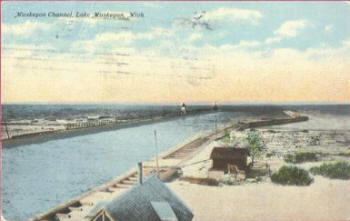
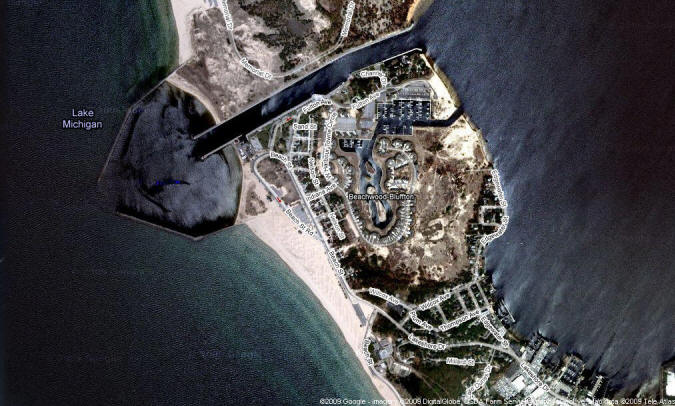
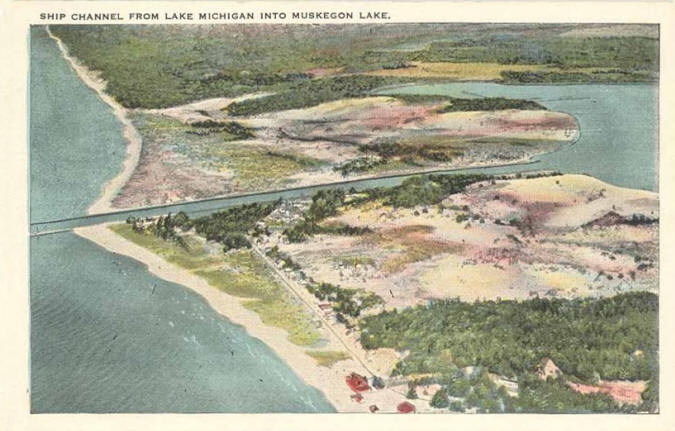
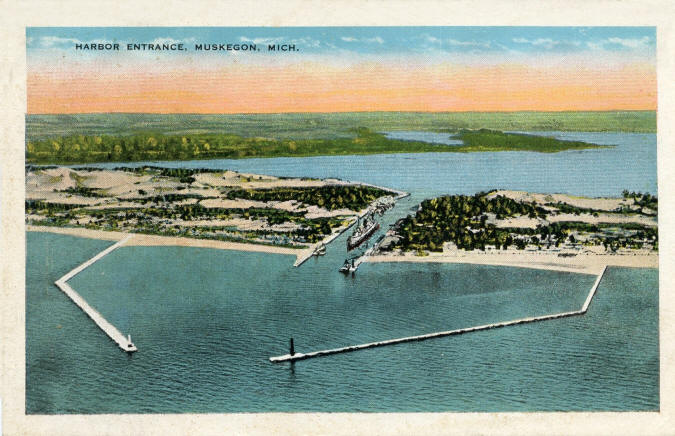
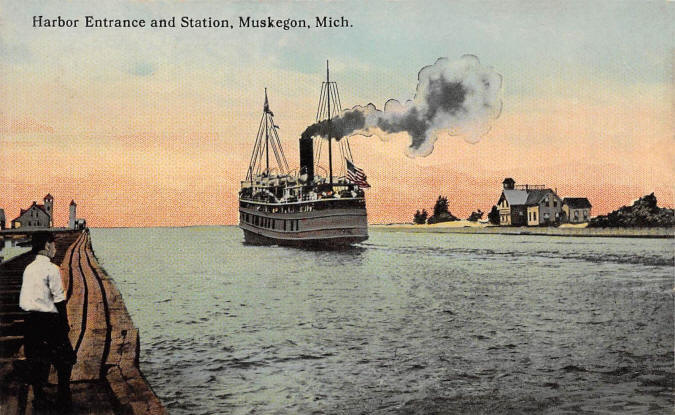
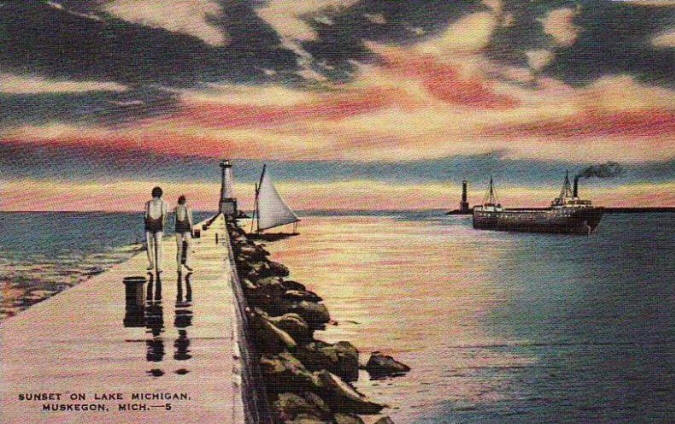
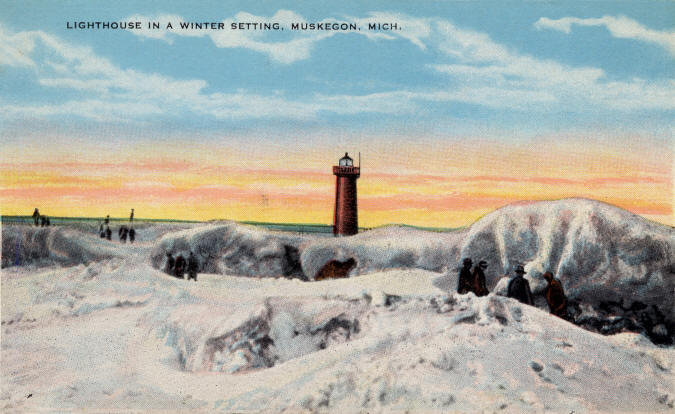
| Lying just to the north of the beach area is the harbor entrance, comprised of the Muskegon's light houses, the break wall and the channel that connects Lake Michigan to Muskegon Lake. Historically, it has served as the entry point for sailing vessels of all sizes - passenger, recreational and freight - as well as a stunning backdrop for memories of time spent at the lake. | |||||
 |
|||||
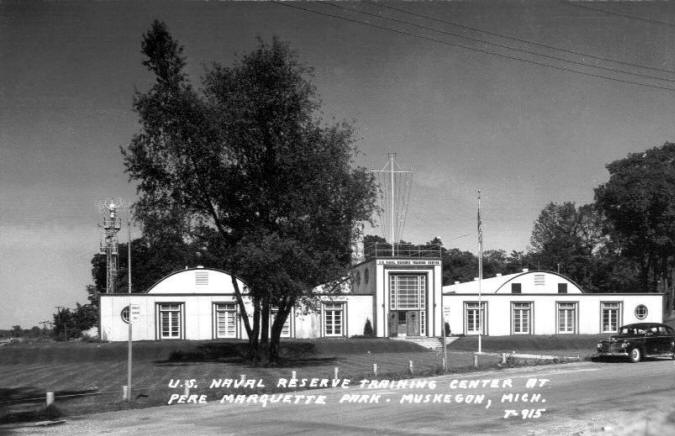
| The U.S. Naval Reserve Training Center, opened around 1948. Today, the site is now home to the U.S.S. Silversides Museum. | |||||
 |
|||||
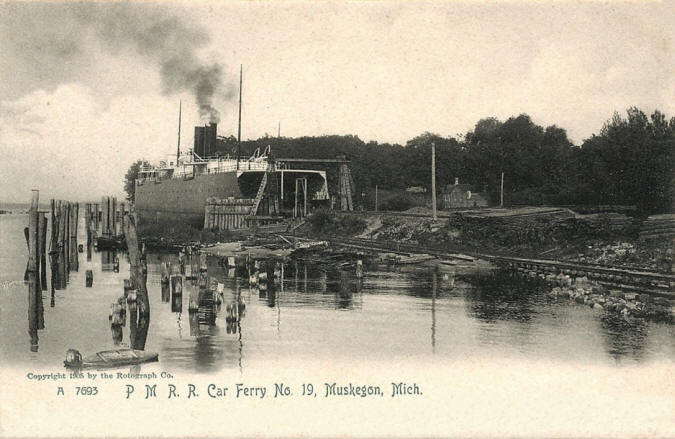
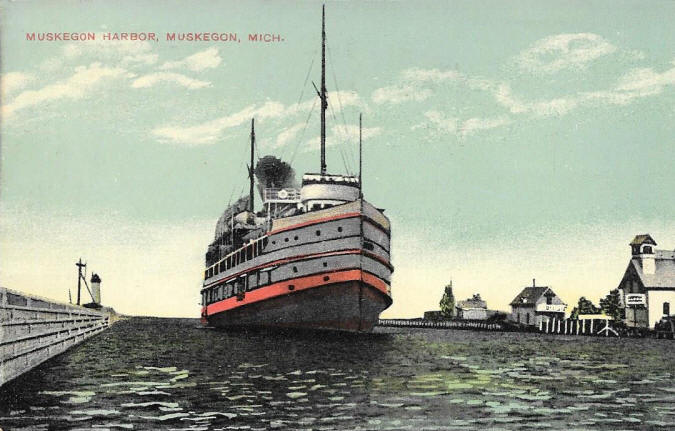
| A 1905 image of the Pere Marquette Car Ferry. Operating from a slip in the Muskegon channel, the railroad abandoned operations of its ferry service in 1906. | |||||
 |
|||||
 |
|||||
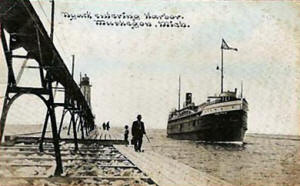
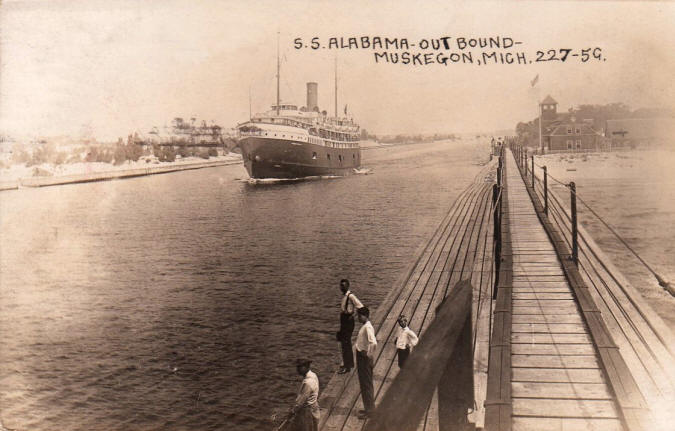
| The S.S. Alabama, a member of the Goodrich Lines, passes through the channel around 1920. | |||||
 |
|||||
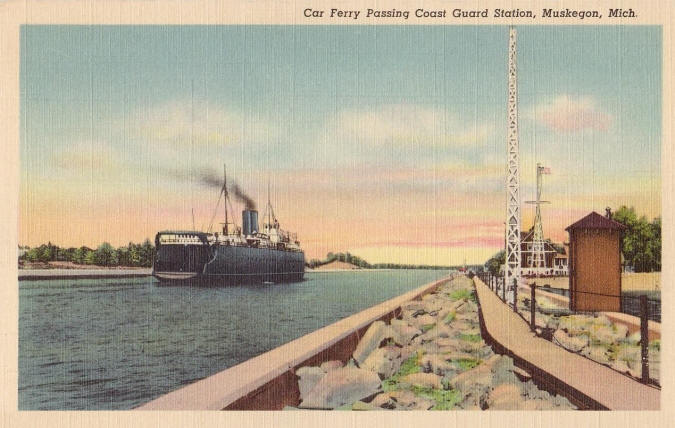
| A Grand Trunk ferry heads toward the dock in Lakeside. The railroad began service out of Muskegon in 1933. | |||||
 |
 |
||||
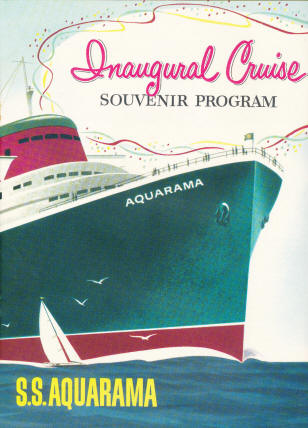
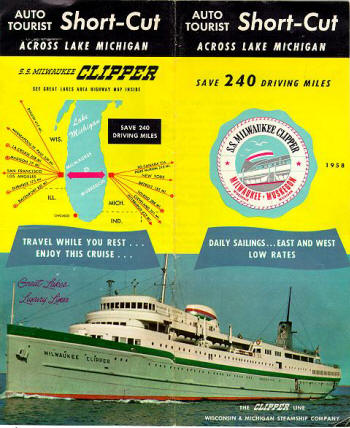
| Originally named the Marine Star, the ship arrived in Muskegon in 1953 and was converted into a cruise ship and christened the S.S. Aquarama. Working the Detroit to Cleveland route from 1957 to 1962, the ship was popular, but failed to earn a profit. She returned to Muskegon, and rested on the waterfront for 26 years before sold then scrapped in 2007. |
Perhaps the most well-known of Muskegon's
cruise ships, the S.S. Milwaukee Clipper is a
National Historic Landmark. Tours of the restored ship are
offered on weekends during the summer months. milwaukeeclipper.com |
||||
 |
|||||
|
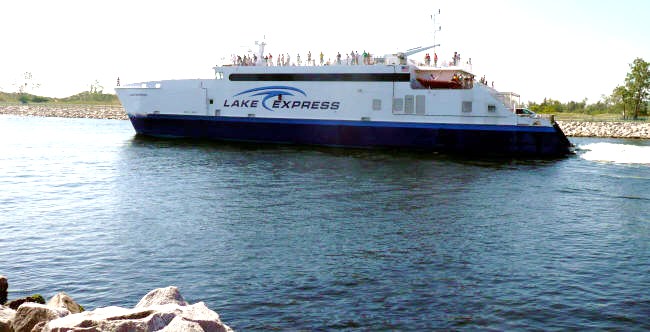
Today, the Lake Express offers service between
Muskegon and Milwaukee, crossing Lake Michigan in only two and one half hours. www.lake-express.com |
|||||
 |
|||||
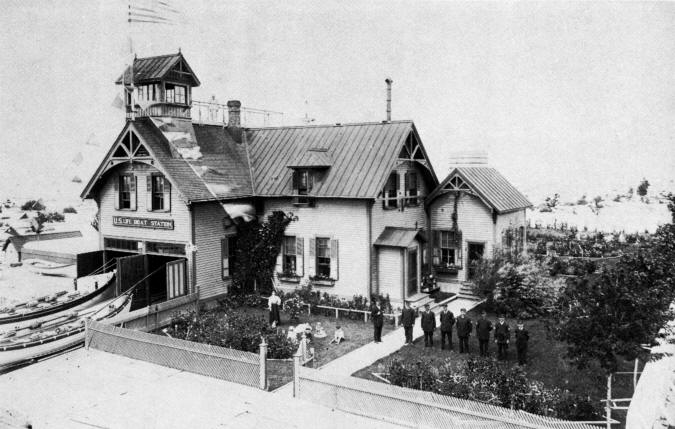
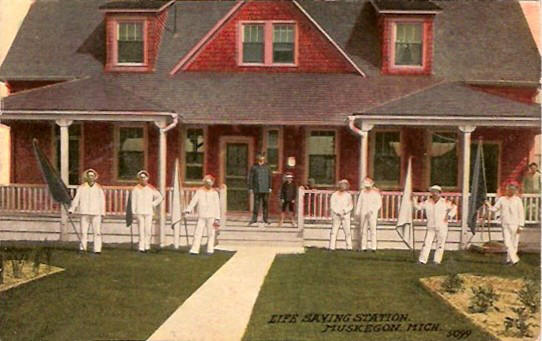
| The original U.S. Life Boat Station, build on the north side of the channel in 1879. Replaced by a new station in 1905, the building was abandoned until 1917 when it was moved across the channel and placed in Bluffton. | |||||
|
|||||
 |
|||||
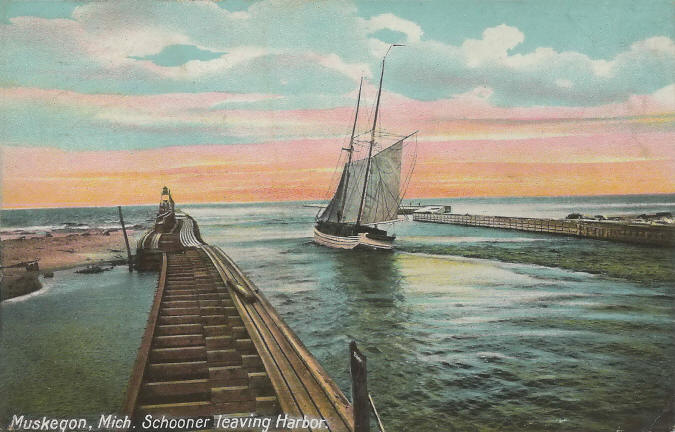
| The Channel, around 1909 | |||||
 |
|||||
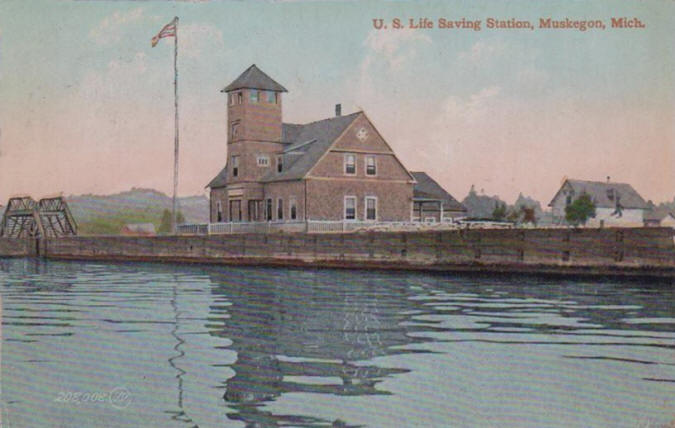
| A view showing both Life Saving stations from around 1915. | |||||
 |
|||||
 |
|||||
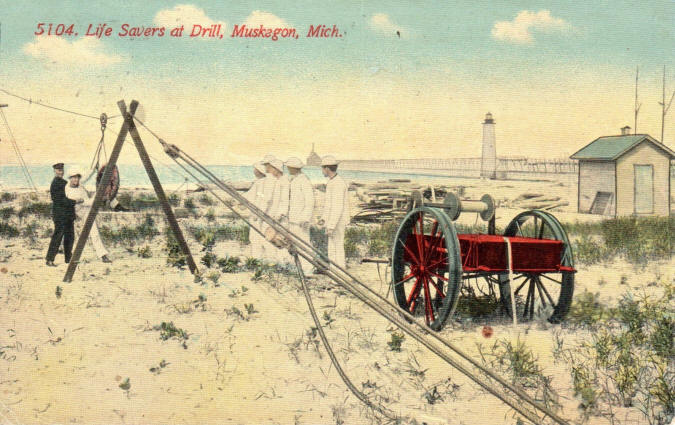
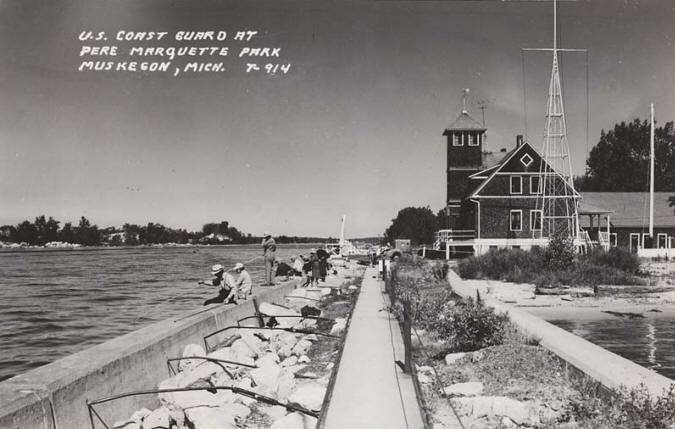
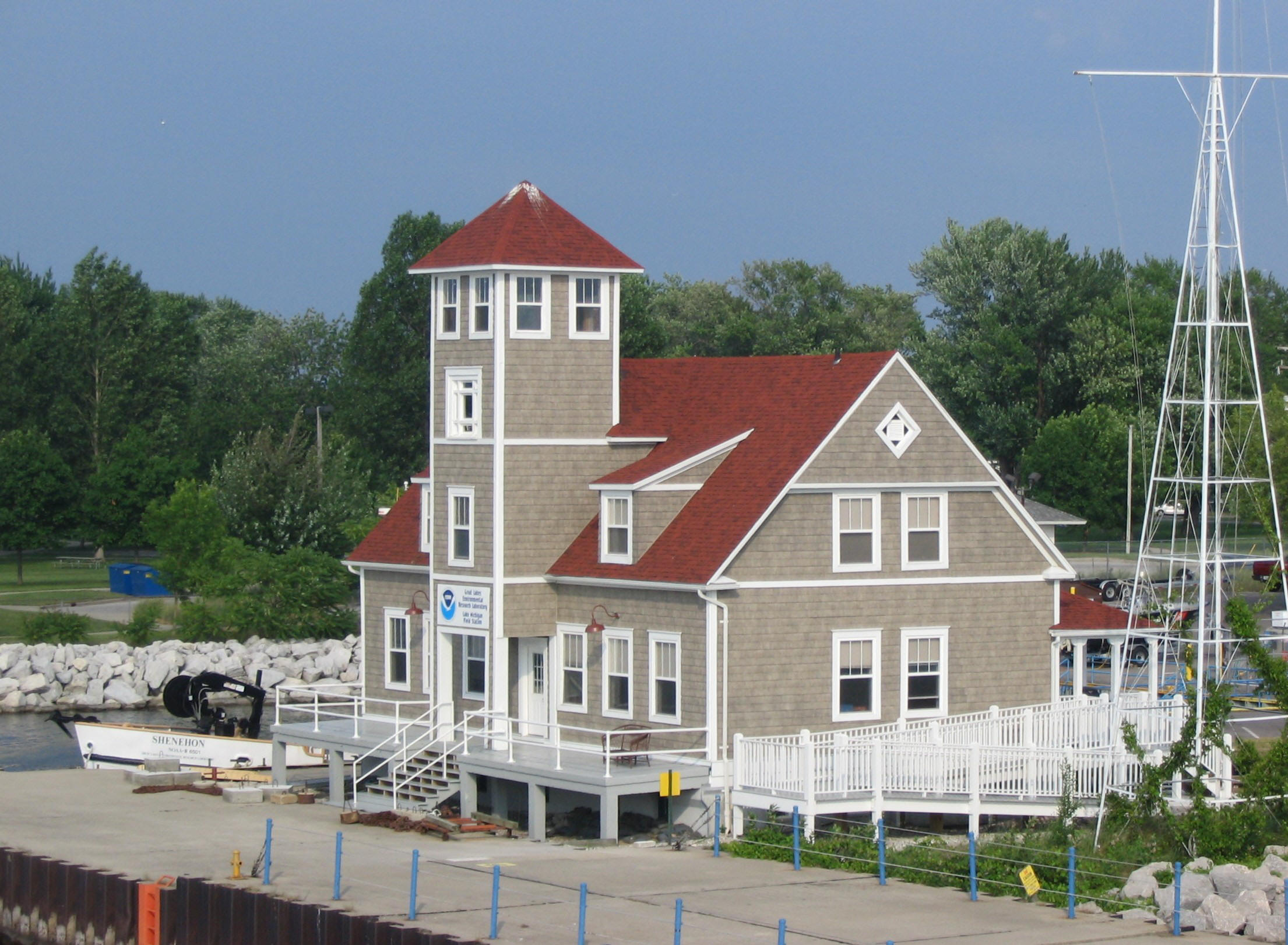
| Build on the south side of the channel, the new Life Saving Station opened in 1905. In 1915, the building was renamed the Coast Guard Station when the U.S. government merged the operations of the U.S Life Saving Service with the Revenue Cutter Service into one. | |||||
 |
|||||
 |
|||||
 |
|||||
The Lighthouses at Muskegon
LIGHT HOUSE WORK - Considerable work has been done by
the light house department during the summer. A light house has been
completed at Buffalo |
|||||
 |
|||||
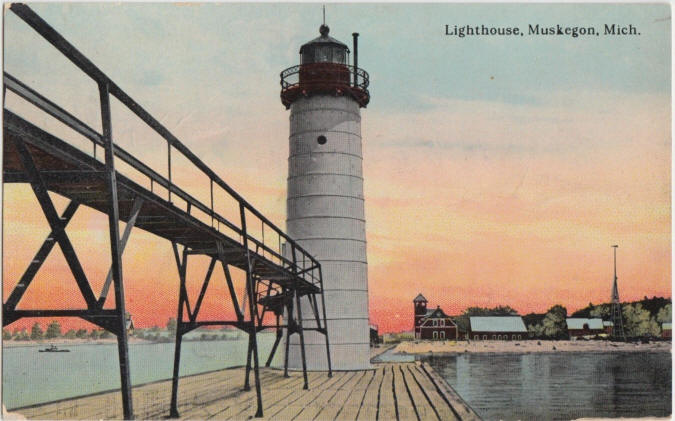
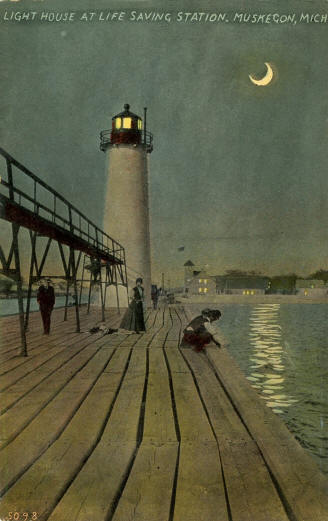
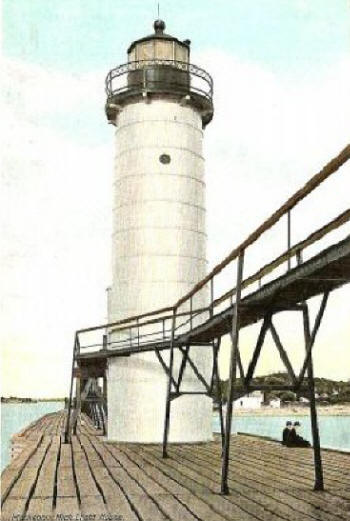
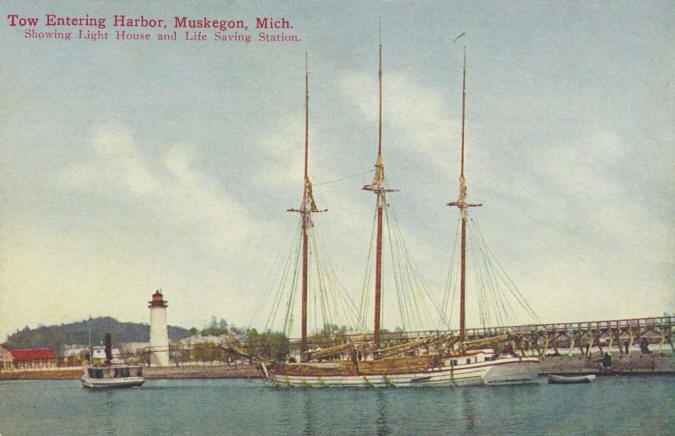
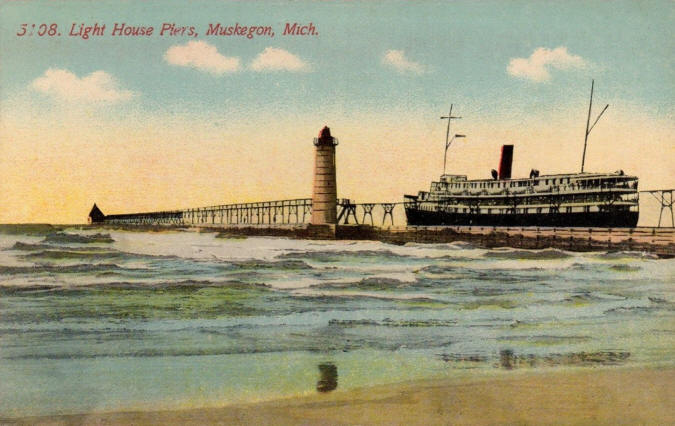
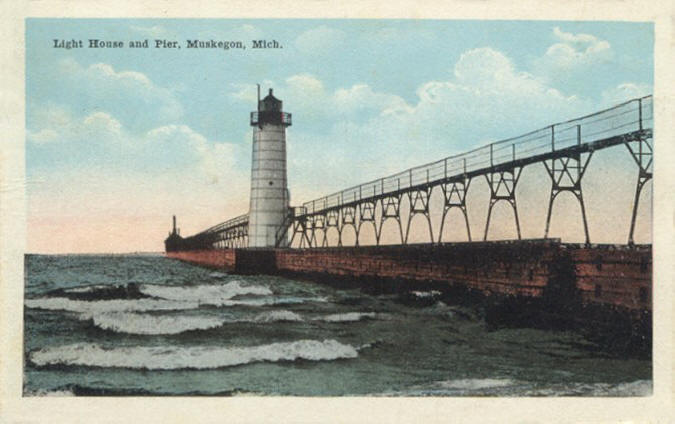
| Constructed in 1903, the South Pierhead lighthouse featured a fog signal at the end of a wooden pier, An elevated catwalk enabled the lighthouse keeper to maintain the navigation guides in all weather conditions. | |||||
 |
 |
||||
 |
|||||
 |
|||||
 |
|||||
 |
|||||
 |
|||||
|
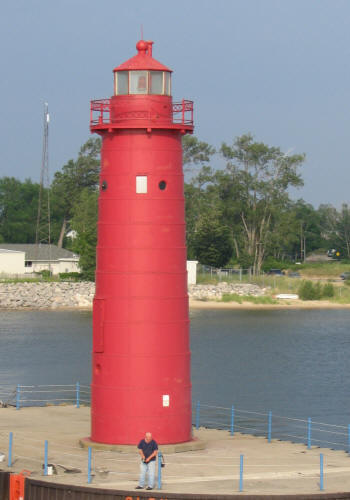
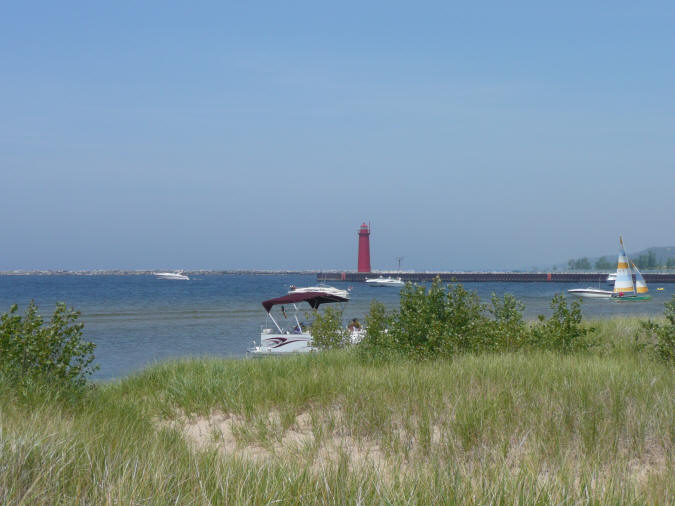
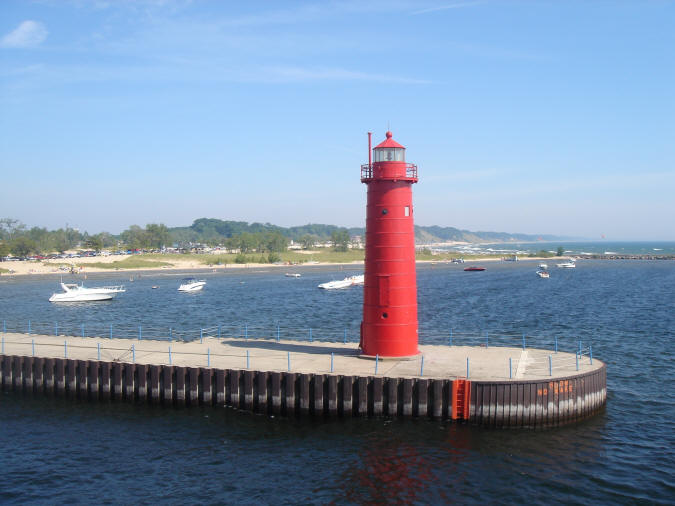
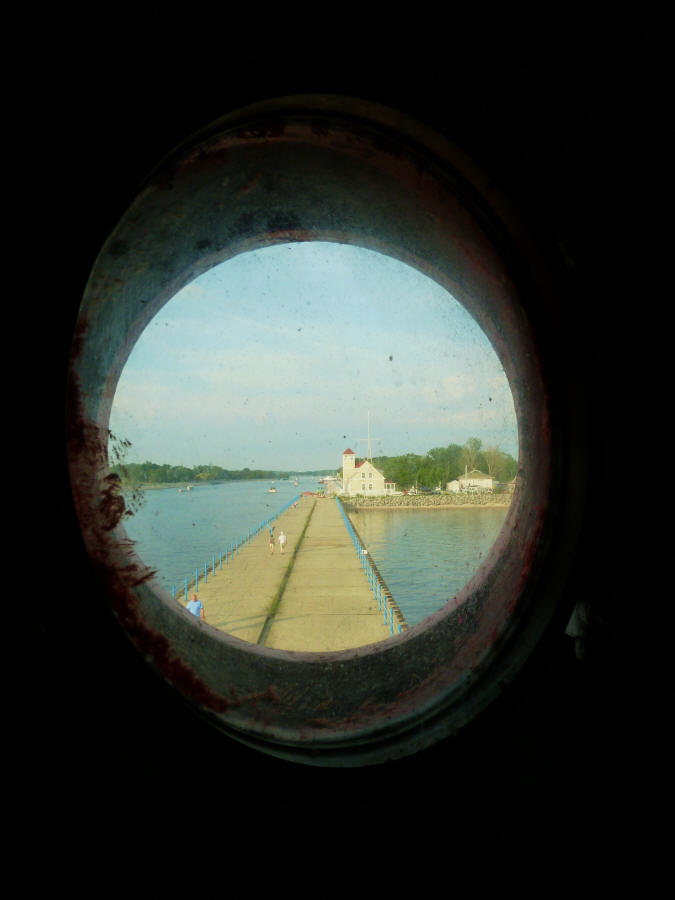
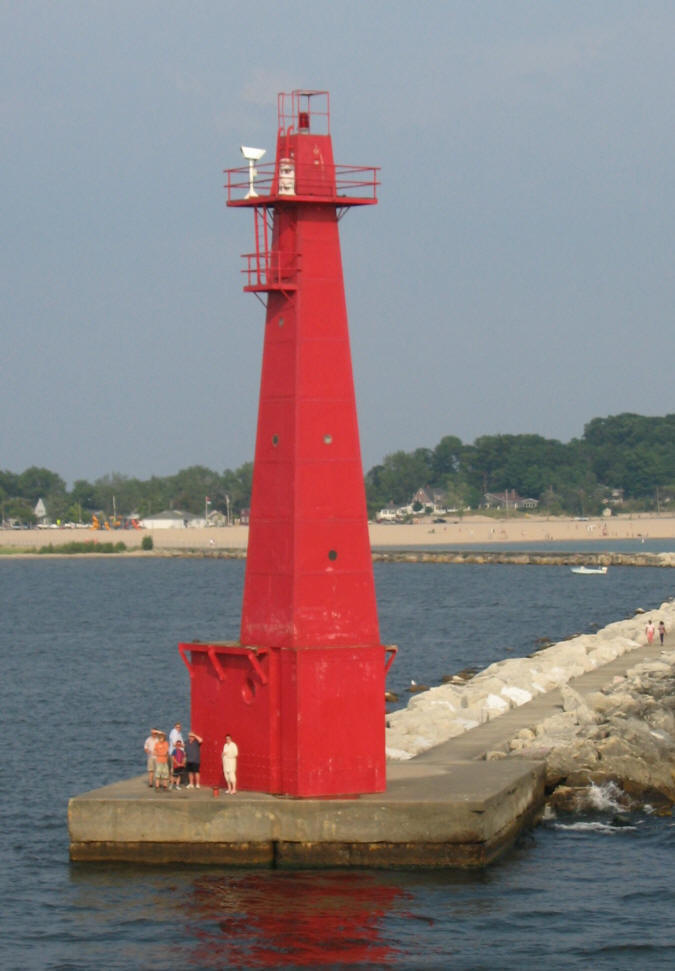
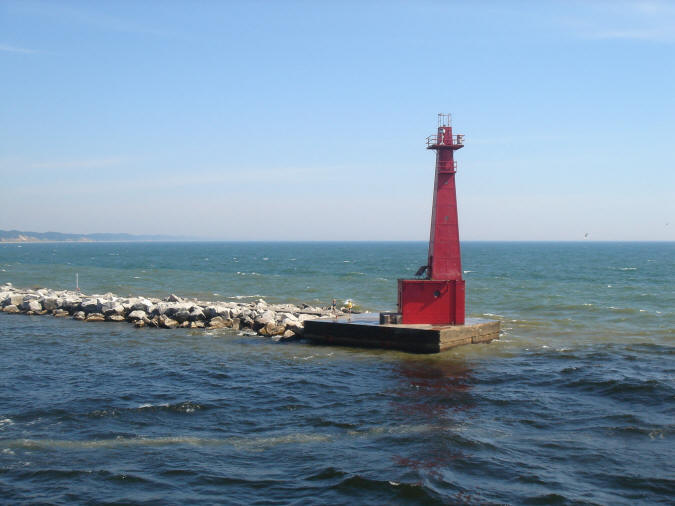
The Michigan Lighthouse Conservancy
were awarded Muskegon's lighthouses in 2010 by the Federal Government
and have taken on the task of upkeep and preservation. Both are
listed on the National Register of Historic Places. Please visit their website at muskegonlights.org |
 |
||||
 |
|||||
 |
|||||
 |
|||||
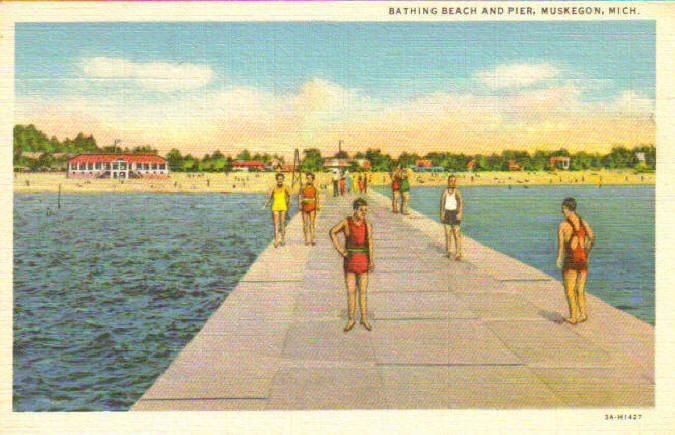 Construction on the Breakwater at Pere Marquette was started in 1927. The breakwater lighthouse was erected in 1931 and work on the site was completed in 1933. |
|||||
 |
|||||
 |
|||||
  |
|||||
|
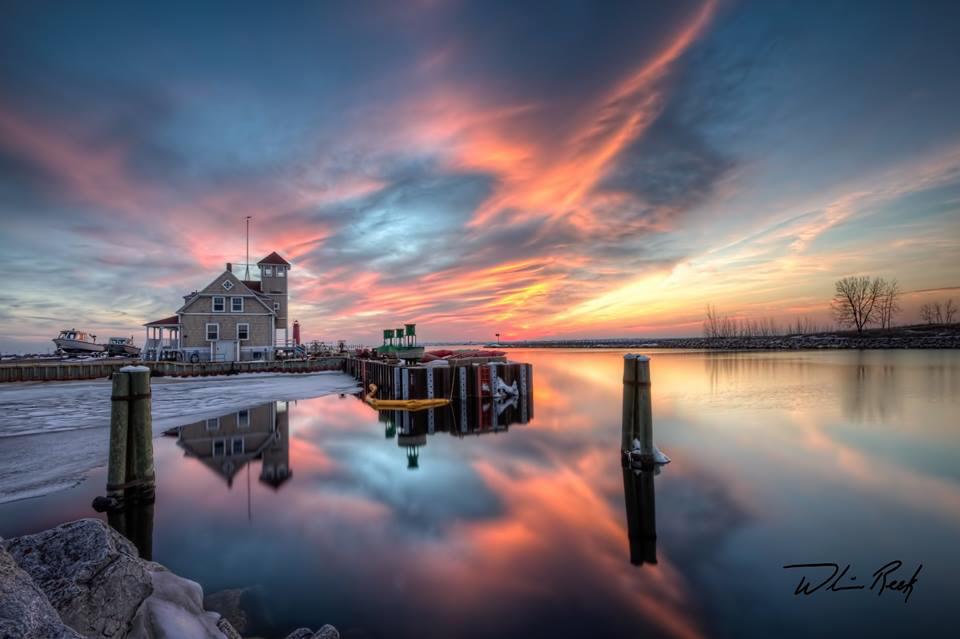
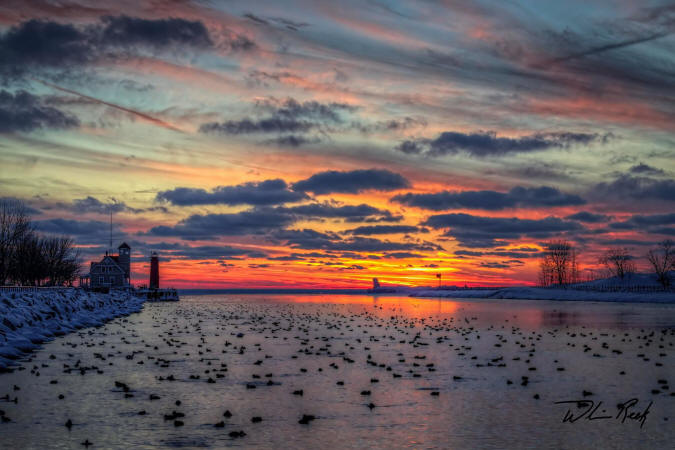
The channel, as it appears today, courtesy
of William Reek Photography. www.williamreekphotography.com |
|||||
|
Special thanks to Mary Anderson, Sherry Coffman, Jamie Pesch and
Bill Reek for their
assistance in assembling the information and images that appears on this page. |
|||||